
Seven weeks ago, Ash's training was an occasional weekday run and a solid week of cycling here and there, with no fixed plan and no fixed goal. He'd completed the MDS Legendary back in April 2026, but even that came off inconsistent training rather than a structured block. Then a trip to the UK gave him a reason to line up for a running event, something he hadn't done in years. He picked the Run Through Trails South Downs 50K. He had seven weeks to get ready.
This is how that block came together, in his own words.
Before the block
Ash describes himself as a keen runner and cyclist who trained "on the odd weekday or weekend", with cycling being the one thing he did consistently, but without a goal behind it. Going into the 50K, the honest starting point wasn't fitness, it was structure. He'd never trained to a plan before.
So when the seven week timeline was set, his first reaction wasn't confidence. It was a fair question: "Will this work, how will this work, and will I see or feel the benefits?"
The prep
The plan had to fit around a full time job, which meant early mornings or late evenings, and Dubai's early summer heat pushing his heart rate up in a way that took some adjusting to. But the real challenge wasn't the schedule. It was learning to run slower.
Ash had always run at whatever pace felt right on the day. Training by heart rate, with proper zones and intervals built in, meant deliberately holding back on easy days, even when his legs told him he had more to give. That's the part he found hardest: trusting the process over the pace.
The shift happened around three weeks in. Once the structure, rest days and strength work started compounding, and once he was running in the UK's cooler temperatures and immediately felt faster, the training clicked. He started to understand why the easy days, the hill work and the pacing discipline all mattered, and his confidence built from there.
Race day
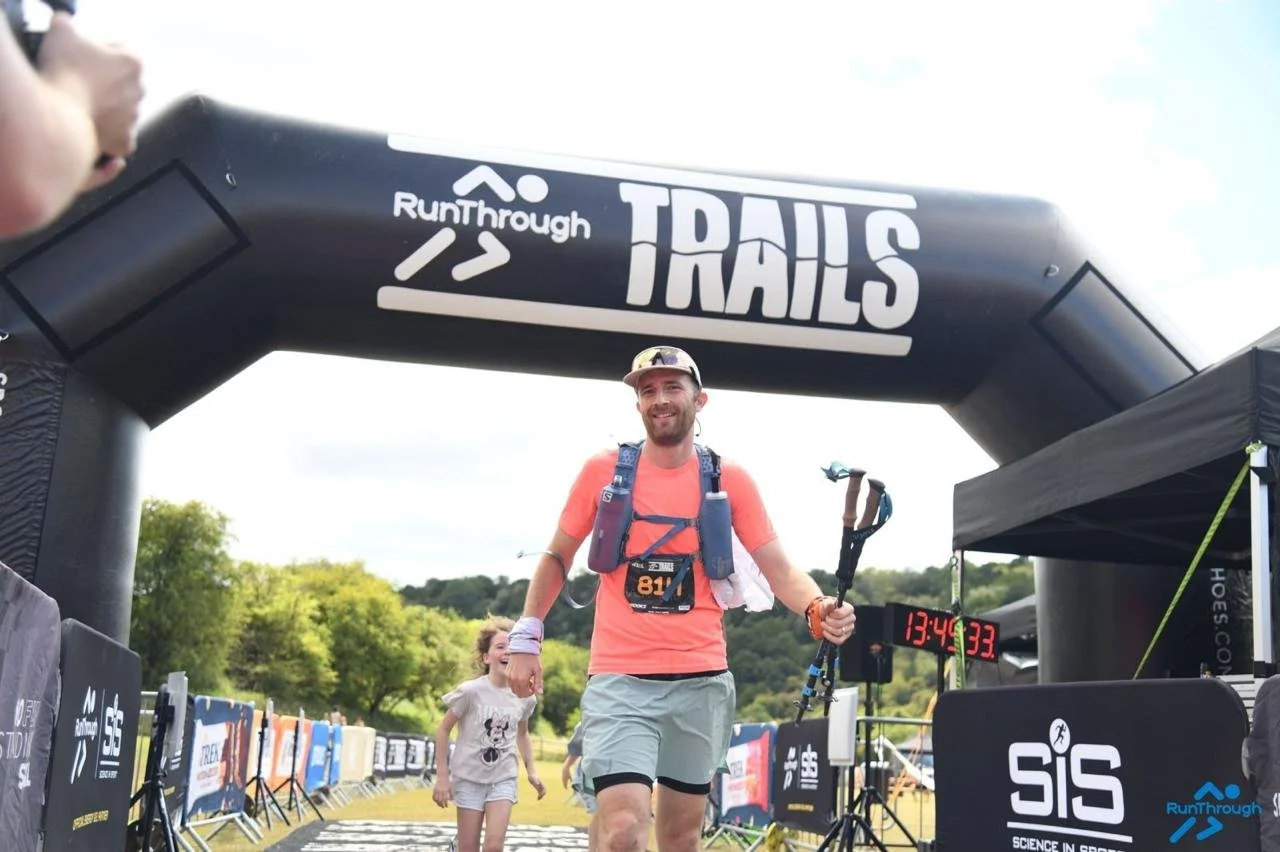
Ash arrived 45 minutes before the start and scouted the first climb, which set the tone for how he'd run the whole course: walk the climbs with intent, open the legs up on the way down, and settle into the flats at a strong but sustainable pace. He fuelled properly at every checkpoint, fruit early, sugar later, and kept his focus tight, thinking only about the next 500 metres rather than the distance still ahead.
Around the 15km mark, the training started to pay dividends. He passed runners who'd gone out too hard and were now cramping and fading, and used that as fuel rather than a warning. He held a disciplined pace plan for the final stretch, only allowing himself to push from 3km out unless another climb got in the way, and brought it home with a strong final 1.5km.
There was one low point. Cramp in his groin around the 30km mark worried him more than it hurt him. Rather than panic, he did exactly what the training had taught him: slowed down, stretched it out through a walk, and adjusted his stride. Inside half a kilometre it was gone, and it didn't return.
What surprised him most wasn't the distance or the discomfort, it was the control. He'd set a soft target of six hours with a stretch goal of 5:30. Reviewing his data afterwards, he'd stayed in his zones the entire way round without constantly checking his watch or thinking about chasing pace. The plan had done its job before the race even started.
After
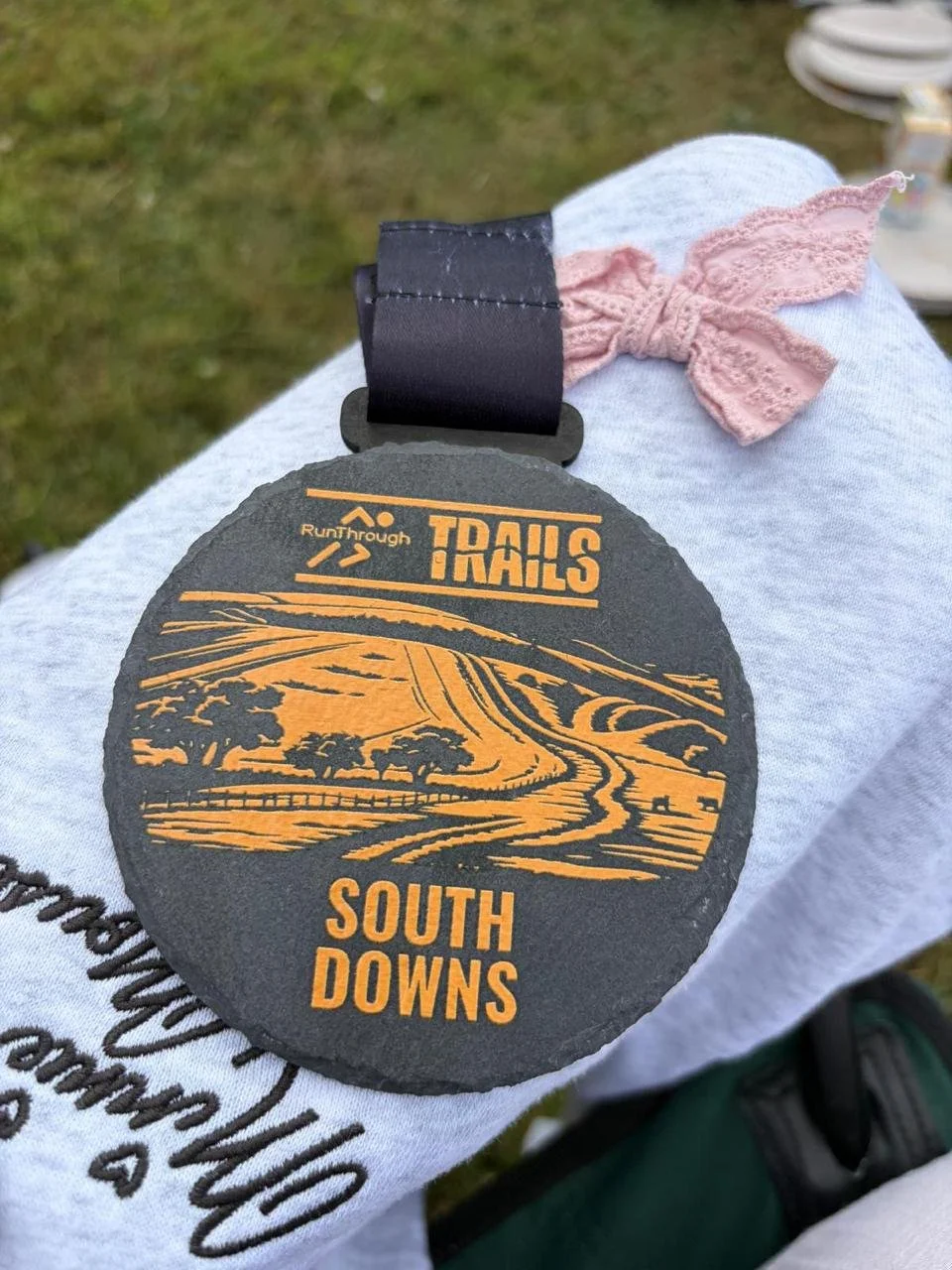
"Much stronger, fitter and in control" is how Ash describes himself now. He was running again two to three days after the race, feels ready for whatever's next, and has a clearer sense of how to pace himself going forward.
His advice for anyone considering something similar on a short timeline is simple: the mental block stops most people before the physical limit ever does. Don't compare your time to anyone else's. Compare yourself to the version of you that didn't start. Everyone gets the same medal at the finish line.
On working with a coach, Ash put it best himself:
"Physical fitness will only get you through the race, mental fitness gets you to the start line and carries you through."
Seven weeks, one structured plan, one 50K finish. If you're weighing up whether you've got enough time to get race ready, Ash's answer is that the time matters less than the structure you put around it.
You set the goal, we map the path.
Ready to build your own plan?
Training for a half marathon? Get my free 12 week half marathon plan for busy people, timed for Burj2Burj in January.
Want a plan built around your actual week, like Ash had? Book a free 20 minute consultation.